Vegan Gohan

A journal of food and everyday life

Hi, I’m Erina.
I’m a homemaker living in Virginia, USA.
On this blog, I share vegan recipes and little moments from daily life, in both Japanese and English.

こんにちは、Erinaです。
アメリカ・バージニア州に住む専業主婦です。
このブログでは、ヴィーガンレシピや日々のちょっとした出来事を、日本語と英語の両方で紹介しています。

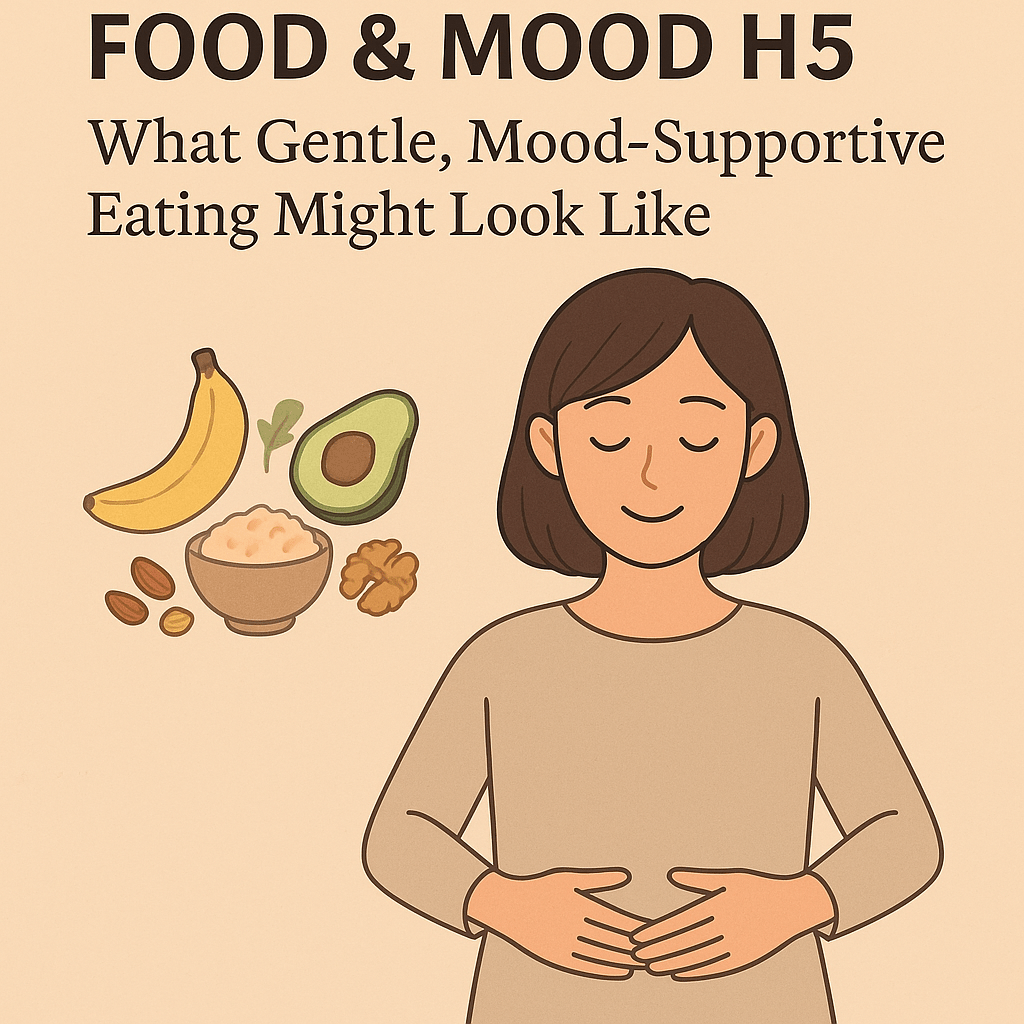
  • What Gentle, Mood-Supportive Eating Might Look Like (Before I Try It Myself) 

    “心に効く食べ方”って?無理なく始める、これからの食習慣
    Over the past four posts, I’ve been exploring the connection between food and mental health.

    How mental health has become part of everyday conversation (Part 1)

    The surprising link between gut health and emotional balance (Part 2)

    The role of serotonin and which foods may support it (Part 3)

    And how modern eating habits might quietly affect how we feel (Part 4)

    Each topic touched something I had already sensed, but hadn’t yet put into words. Writing this series gave me the space to think, reflect, and learn.

    In this final post, I’d like to summarize a few gentle, approachable eating habits that I’m hoping to try soon.


    It’s Okay Not to Be Perfect

    When we hear the word “balance,” we often feel the pressure to do everything “right.”
    But when it comes to food and mental wellness, I’d rather keep things soft and flexible.

    I’m learning to let go of all-or-nothing thinking.
    Instead, I’d like to notice what helps me feel grounded, calm, and gently energized, and build on that, bit by bit.


    Nutrients That Support Serotonin

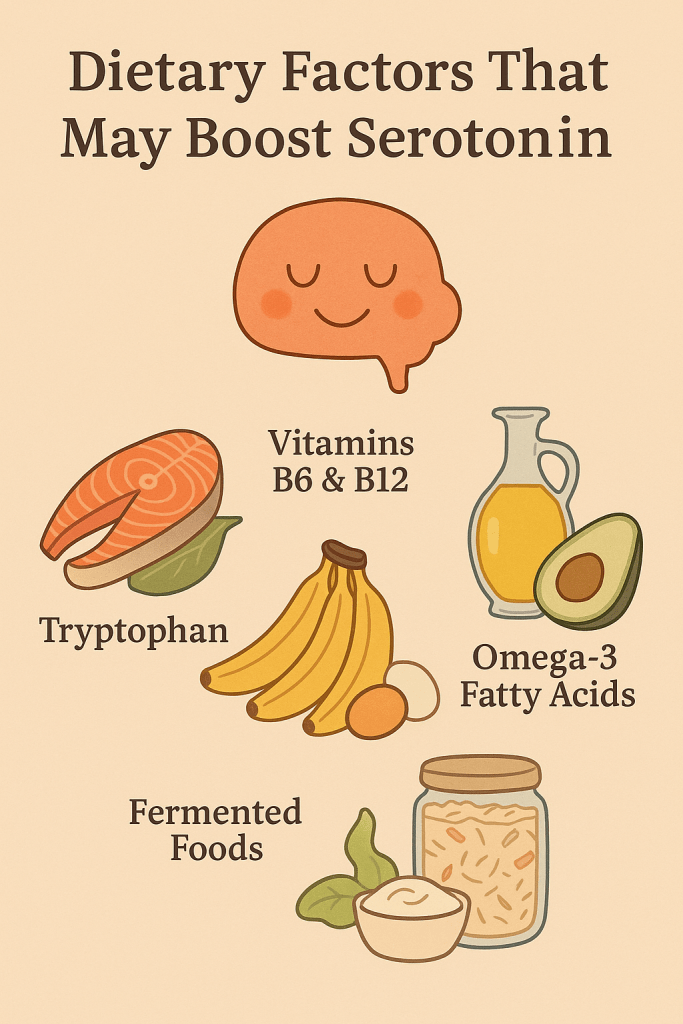
    Serotonin, often called the “happy hormone,” is influenced by several nutrients:

    Tryptophan (an amino acid)

    B vitamins (especially B6 and B12)

    Iron, magnesium, and zinc

    What surprised me was how many of these nutrients are found in everyday, simple ingredients.


    Sample Meal Ideas (Mixed and Plant-Based)

    ✅ Breakfast

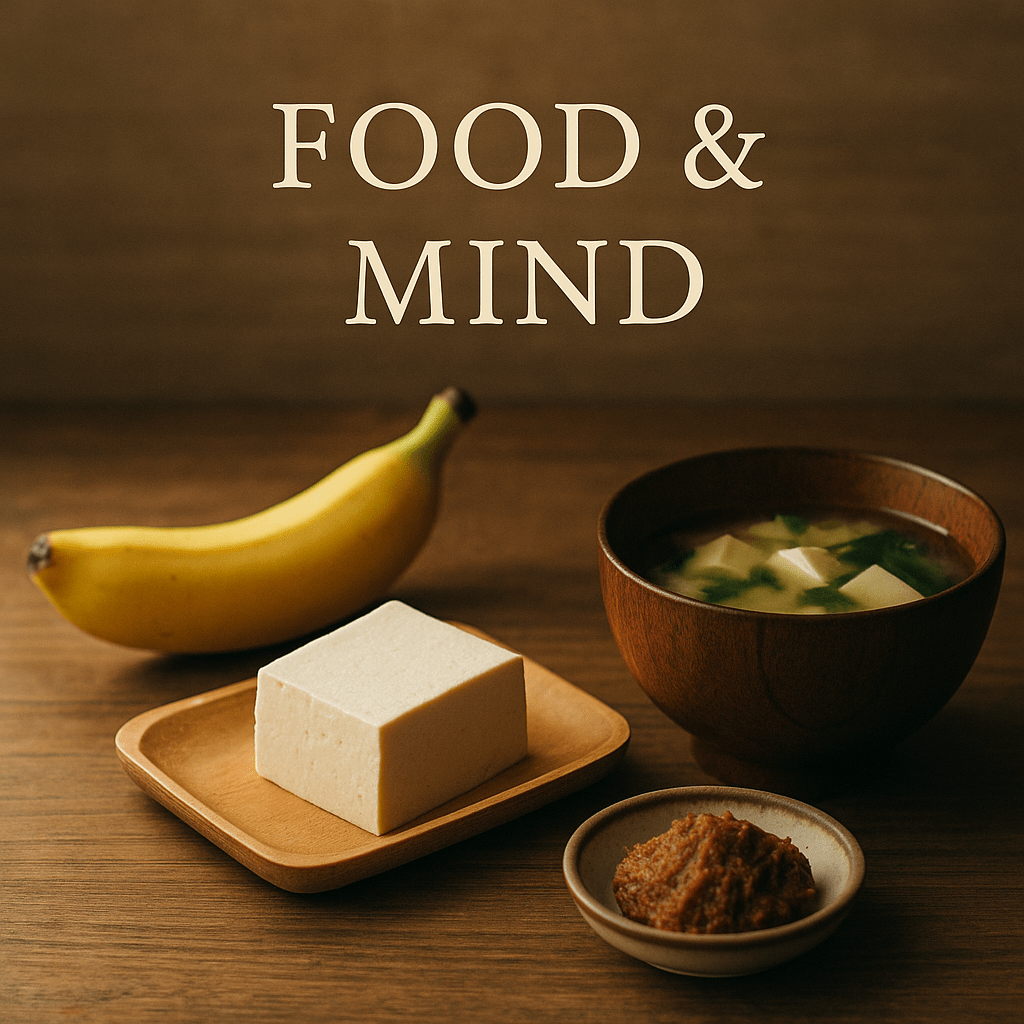
    Boiled egg + miso soup + brown rice + banana

    Or oatmeal with banana, nuts, and soy yogurt (plant-based)

    ✅ Lunch

    Grilled chicken + steamed broccoli + brown rice + miso soup

    Or teriyaki tempeh + pickled veggies + brown rice + greens (plant-based)

    ✅ Dinner

    Miso-glazed mackerel + sautéed greens + multigrain rice

    Or lentil curry + sauerkraut + millet or quinoa (plant-based)

    ✅ Snacks

    Boiled egg + a small piece of cheese

    Or dates + walnuts, or dried figs + almonds (plant-based)

    I realized that even a plant-forward diet, rich in fermented foods, legumes, grains, and seeds, can be very supportive for emotional well-being.


    I’ve Always Eaten Fermented Foods But I’d Like to Explore More

    Being from Japan, foods like miso and natto have always been a natural part of my meals.
    They’ve long been associated with gut health, and I’ve eaten them without giving it much thought.

    But as I researched and reflected on the mind-body connection, I found myself newly interested in other helpful foods:

    Bananas

    Avocados

    Nuts and seeds

    Oats and multigrain rice

    Soy milk

    I’d like to start including more of these ingredients, alongside the traditional ones I already enjoy.


    Food as a Gentle Way to Recenter

    On days when my emotions feel heavy or out of sync, I sometimes forget to eat, or eat whatever’s easiest.
    But maybe those are the moments when food could gently bring me back to myself.

    Even a simple meal can be a small act of care. A rhythm. A way of saying: I’m here. I’m trying. I’m listening.


    Final Thoughts

    Writing this series has shown me that food isn’t just physical fuel, it’s emotional, too.
    And that the connection between food and the mind isn’t about restriction or control. It’s about care. Awareness. Soft curiosity.

    I haven’t started making big changes yet, but I plan to.
    And maybe someday, I’ll write about how it felt to actually live what I’ve written here.

    Thank you for reading to the end of this journey.

    これまでの4回にわたって、「心と食のつながり」について書いてきました。

    メンタルヘルスという言葉を身近に感じるようになったこと(第1回)

    腸と脳がつながっているという事実(第2回)

    セロトニンと食材の関係(第3回)

    そして現代の食生活が、心のバランスに静かに影響していること(第4回)

    そのどれもが、自分の中の“感じていたけど言葉にしていなかったこと”に近くて、書きながらたくさんの気づきがありました。

    今回はその締めくくりとして、これから自分が実践してみたい「心に効く食習慣」について、まとめてみようと思います。


    「完璧じゃなくていい」から始めてみたい

    何かを「整える」と聞くと、つい“ちゃんとやらなきゃ”と思ってしまいがちです。
    でも、心のための食事については、「少し意識するだけでも変わるかもしれない」という軽やかなスタンスでいたいと思っています。

    忙しい日や疲れている日でも、できる範囲で自分をいたわるような“食べ方の選択”を重ねていきたい。
    それが、心にとっての栄養にもなるのではないかと感じています。


    セロトニンを支える食材って?

    「幸せホルモン」とも呼ばれるセロトニンを体内で作るには、以下のような栄養素が必要です。

    トリプトファン(アミノ酸)

    ビタミンB6、B12

    鉄分・マグネシウム・亜鉛 など

    そしてそれらを含む食材は、意外と私たちの日常にあるものばかりです。


    食事のイメージ(一般的なもの+植物性中心の例)

    ✅ 朝食

    ゆで卵+味噌汁+玄米+バナナ

    または オートミール+バナナ+ナッツ+豆乳ヨーグルト(植物性)

    ✅ 昼食

    鶏むね肉の塩麹焼き+ブロッコリー+ごはん

    または テンペの照り焼き+玄米+ぬか漬け+蒸し野菜

    ✅ 夕食

    サバの味噌煮+雑穀ごはん+小松菜のおひたし

    または レンズ豆のカレー+雑穀ごはん+ザワークラウト

    ✅ 間食

    ゆで卵やチーズ

    または デーツ+くるみ/ドライいちじく+ナッツ


    発酵食品は身近だけど、他の食材にももっと目を向けてみたい

    私は日本人なので、味噌や納豆などの発酵食品は普段から自然に取り入れています。
    昔から「体にいい」「お腹にやさしい」と言われていて、特に意識しなくても生活の一部になっている食材です。

    でも今回、心と食のつながりをテーマに調べて・書いて・考えてみたことで、
    バナナ、アボカド、ナッツ、豆乳、オートミール、雑穀ごはんといった食材にも改めて価値を感じるようになりました。

    これからは、こうした食材も意識して組み合わせていきたいと思っています。


    食事は、自分を取り戻す“静かな時間”かもしれない

    気分が落ち込んだときや、理由もなく不安定な日。
    そんなときに、「何を食べるか」という選択が自分の心を優しく支えてくれるものになるかもしれない。

    食べることは毎日の繰り返しだけど、そこに少しのやさしさやリズムを込めることで、
    心の調子を整える“静かな習慣”になる可能性があると感じています。


    最後に

    この5回のシリーズを書きながら、私は「食が心に与える影響」を改めて実感することができました。
    そして、それは決して特別なことではなくて、いつもの食卓の中にヒントがたくさんあるということも。

    まだ、実際に食生活を大きく変えているわけではありません。
    でも、今回学んだことをきっかけに、少しずつ実践してみたいと思っています。

    またいつか、“やってみたその後”も記事にできたらうれしいです。
    ここまで読んでくださり、本当にありがとうございました。

  • How Modern Eating Habits May Be Affecting Our Mental Health

    現代の食生活はメンタルにどう影響してる?

    In the previous articles, we explored how food connects to mental health, through the gut, serotonin, and our emotional state.

    Today, let’s take a closer look at something even more immediate: how our everyday eating habits may be quietly affecting our mood.


    Convenience Over Nutrition?

    Modern life is busy, and it’s easier than ever to grab a quick lunch from the convenience store or heat up frozen meals.
    We’re often choosing foods for efficiency, not nourishment, and that’s understandable.

    But if this becomes our long-term routine, our mental well-being may quietly begin to reflect that imbalance, even if our stomach feels full.


    Processed Food, Sugar, and Mood Fluctuations

    Here are a few ways typical “modern eating” patterns can influence how we feel:

    ⚠️ 1. Sugar spikes → Mood crashes

    Eating mostly refined carbs or sugary snacks can cause blood sugar to spike and crash, which may leave you feeling tired, irritable, or anxious.

    ⚠️ 2. Additives & processed oils → Inflammation

    Many processed foods contain preservatives and oxidized oils that can disrupt gut health and may trigger inflammation, affecting brain chemistry.

    ⚠️ 3. Hidden deficiencies → Low serotonin production

    Even if you’re eating plenty of calories, you may be missing key nutrients like protein, iron, B-vitamins, and omega-3s, all essential for emotional regulation.


    “I’m Full, but I Feel Off.”

    Modern meals often look satisfying and taste good, but they don’t always meet your body’s deeper needs.
    If you’ve ever felt “off” or low-energy for no clear reason, it might be your body quietly asking for true nourishment.


    Rebalancing Through Food Is Self-Care

    Paying a little more attention to what you eat can lead to small but meaningful shifts:

    A calmer start to your day

    Fewer mood swings

    More emotional stability over time

    Eating is more than survival, it’s a way of supporting your mind and spirit, too.
    In the next post, we’ll talk about simple, doable eating habits that help support emotional balance and gut health.


    Coming Next

    “What does gentle, mood-supportive eating look like in real life?”
    We’ll explore easy food habits, gut-friendly routines, and serotonin-boosting meals you can actually stick with.

    これまでの記事では、「食と心のつながり」や「腸内環境」、「セロトニンの働き」などについてお話ししてきました。

    今回は、もう少し身近な視点で「今の私たちの食生活そのものが、心にどんな影響を与えているのか?」について考えてみたいと思います。


    忙しい毎日で、食事の優先順位が下がっていない?

    コンビニで手軽に買えるお弁当やパン、カップ麺や冷凍食品など
    現代の食生活は、便利さとスピードを重視するあまり、「栄養より効率」になりがちです。

    もちろん、忙しい日々の中で手軽に済ませることが悪いわけではありません。
    でも、気づかないうちに偏った食生活が続いていると、体だけでなく、心の調子にもじわじわ影響してくることがあります。


    加工食品・糖質・油の取りすぎがもたらすこと

    以下のような「現代型食生活」に偏ることで起こりがちな変化を見てみましょう。

    ⚠️ 1. 血糖値の急上昇&急降下 → イライラ・不安感

    菓子パンや清涼飲料水、白米・白パンなど糖質が多いものばかり食べていると、血糖値の乱高下が起こります。
    急激に下がったときに、だるさ・焦り・怒りっぽさを感じることがあります。

    ⚠️ 2. 添加物・酸化油 → 脳や腸への負担

    保存料や加工油脂などが多く含まれる食品は、腸内環境を悪化させたり、炎症を引き起こしたりすると言われています。

    ⚠️ 3. 栄養不足 → セロトニンが作れない

    「ちゃんと食べてるのに調子が悪い」と感じる人の中には、たんぱく質・鉄・ビタミンB群・オメガ3脂肪酸などが不足しているケースも。


    「満たされているはずなのに、なんとなく心が不安定」

    現代の食は、味も見た目も“満たしてくれるもの”があふれています。
    それなのに、心の奥ではなぜかモヤモヤしていたり、エネルギーが湧かなかったりすること、ありませんか?

    その違和感の一部は、もしかすると「体が本当に欲している栄養が足りていない」という、体からのサインかもしれません。


    食生活を見直すことは、自分を大切にすること

    食べるものをほんの少し意識するだけで、
    ・朝の気分が変わる
    ・イライラが減る
    ・落ち込む頻度が減る
    そんな“静かな変化”が現れることがあります。

    食事は、日々の中で自分を整える大切な時間。
    次回は、「心を支える食の習慣と工夫」について具体的にご紹介していきます。


    次回予告

    「心にやさしい食生活ってどうすればいいの?」
    忙しい中でも続けやすい“ゆる腸活”や、セロトニンを育てる食の工夫をお届けします。

  • How to Boost Serotonin Naturally Through Food 

    セロトニンと食べ物の話。バナナだけじゃない!

    In the last post, we explored why the gut is sometimes called the “second brain” and how it connects to our emotional health.

    Today, let’s focus on a key player in mental balance: the “happy hormone” serotonin, and how we can support it through what we eat.

    What Is Serotonin?

    Serotonin is a neurotransmitter that helps regulate mood, reduce stress, and promote emotional stability.
    It’s also involved in sleep and appetite regulation. Low serotonin levels are linked to depression, irritability, and insomnia.

    Here’s a surprising fact: over 90% of serotonin is produced not in the brain—but in the gut.

    You Can’t Eat Serotonin, But You Can Eat Its Building Blocks

    Your body creates serotonin from an amino acid called tryptophan.
    So, to support serotonin production, it’s important to get enough tryptophan from food.

    ✅ Tryptophan-Rich Foods
    • Soy products (tofu, natto)
    • Eggs
    • Bananas
    • Cheese
    • Nuts (especially almonds and walnuts)
    • Milk and yogurt

    Eating a variety of these helps ensure your body has the raw materials it needs.

    Other Factors That Support Serotonin Production
    • Vitamin B6 (found in bananas, salmon, sweet potatoes) helps convert tryptophan into serotonin
    • Sunlight boosts serotonin levels—try to get morning sun when you can
    • Rhythmic exercise like walking or gentle cardio also promotes serotonin release

    Small Habits for a Happier Mind
    • Eat protein-rich breakfasts (like eggs, miso soup, or a banana)
    • Swap sugary snacks for fruit or nuts when possible
    • Avoid eating too late at night so your gut can rest and recover

    In Summary

    Boosting serotonin doesn’t require magic pills.
    It starts with the simple act of eating nourishing, balanced meals each day.

    If you’ve been feeling off, moody, or anxious, looking at your eating habits may offer gentle but powerful support for your emotional health.

    Coming Next

    Are modern eating habits harming our mental health?
    In the next post, we’ll look at how processed foods and sugar-heavy diets might be disrupting your emotional balance.

    前回の記事では、「腸は第二の脳」と言われる理由や、腸内環境とメンタルのつながりについてご紹介しました。

    今回は、心の安定に深く関わっている“幸せホルモン”セロトニンと、その材料になる食べ物についてお話しします。

    セロトニンとは?

    セロトニンは、気分を安定させたり、ストレスを和らげたりする働きを持つ神経伝達物質のひとつで、「幸福ホルモン」とも呼ばれます。

    睡眠や食欲のコントロールにも関係しており、分泌が不足すると、うつっぽくなったり、イライラしたり、不眠につながることも。

    そして驚くべきことに、セロトニンの90%以上が脳ではなく“腸”で作られているという事実、ご存知でしたか?

    セロトニンを増やすには、まず“材料”をとること

    セロトニンは直接食べ物から摂取することはできません。
    しかし、「トリプトファン」というアミノ酸を材料にして体内で作られます。

    このトリプトファンを効率よく摂るには、以下のような食材が役立ちます:

    ✅ トリプトファンを多く含む食品
    • 豆腐、納豆、大豆製品
    • 卵
    • バナナ
    • チーズ
    • ナッツ類(特にアーモンドやくるみ)
    • 牛乳やヨーグルト

    これらをバランスよく取り入れることで、セロトニンの材料をしっかり補うことができます。

    セロトニン生成を助けるその他の要素
    • ビタミンB6(バナナ、鮭、さつまいもなど):トリプトファンからセロトニンへの変換をサポート
    • 日光:朝日を浴びることは、セロトニンの分泌を促進します
    • リズム運動:ウォーキングや軽い運動も効果的

    今日からできる「心に効く」食の習慣
    • 朝食にたんぱく質をしっかり(卵や納豆ごはん+バナナなど)
    • 甘いものをとるときは、栄養価の高いナッツや果物を選ぶ
    • 夜遅くの食事は避けて、腸を休める時間をつくる

    まとめ

    セロトニンをしっかり作るには、特別なサプリではなく、毎日の食事が何よりの土台になります。

    “気分が沈みがち”“イライラしやすい”と感じるとき、まずはやさしく体と心を整える「食」から見直してみるのも一つの方法です。

    次回予告

    「現代の食生活が心を乱す?」
    次回は、加工食品や糖質過多な食習慣が、私たちのメンタルにどう影響するのかを深掘りします。

  • Is the Gut Really the “Second Brain”? How Your Digestive Health Affects Your Mind

    腸は“第二の脳”? 腸内環境とメンタルの不思議な関係

    In my last post, I talked about how “mental health” has become a common topic in recent years. I shared my personal thoughts about how not just social changes or the rise of social media, but also the things we eat might be playing a role in how we feel emotionally.

    Today, I’d like to dive a little deeper into the connection between food and the mind.
    The keyword here is: gut health.

    Have You Heard That “the Gut Is the Second Brain”?

    Surprisingly, our intestines contain over 100 million nerve cells, making the gut the second most neurologically complex organ after the brain. That’s why it’s often referred to as the “second brain.”

    Recent research has revealed a strong two-way communication between the gut and the brain, involving neurotransmitters, hormones, the immune system, and the vagus nerve.
    This connection is known as the gut-brain axis.

    When Your Gut Is Off, Your Mood Can Be Too

    An unbalanced gut doesn’t just lead to digestive troubles like constipation or bloating, it can also make you feel more irritable, anxious, or emotionally low.

    In fact, some studies have shown that people with depression or anxiety often have an imbalance in their gut microbiome, that is, fewer “good” bacteria and more inflammatory ones.
    Also, substances called short-chain fatty acids, which are produced by good gut bacteria, are thought to influence not just inflammation but also brain function.

    Did You Know 90% of Serotonin Is Made in the Gut?

    You may have heard of serotonin, often called the “happy hormone.”
    It plays a major role in mood stability, emotional well-being, and even sleep.

    Here’s the surprising part: about 90% of serotonin isn’t produced in the brain—it’s produced in the gut.

    This means a healthy gut isn’t just about digestion, it’s also a vital part of emotional stability.

    To Calm the Mind, Start With the Gut

    When I learned all this, I couldn’t help but think, “So food does have something to do with how we feel.”
    Of course, mental health is complex, and food alone can’t solve everything. But I do believe that our daily meals are part of the foundation of emotional well-being.

    In the next post, I’ll be sharing specific foods and habits that help support a healthy gut, and, in turn, a healthier mind.

    Coming Up Next:

    What kinds of food support emotional balance?
    We’ll talk about foods that help produce serotonin, gut-friendly fermented ingredients, and eating habits to avoid if you want to feel your best.

    前回の記事では、メンタルヘルスという言葉が当たり前に使われるようになった今、SNSや社会の変化だけでなく、「食べるもの」も心の状態に影響しているのでは?という私自身の気づきをシェアしました。

    今回は、そこで出てきた「食と心のつながり」について、もう少し深掘りしてみたいと思います。
    そのキーワードとなるのが、「腸内環境」です。

    「腸は第二の脳」って聞いたことありますか?

    実は、私たちの腸にはなんと1億個以上の神経細胞が存在していて、脳に次いで神経ネットワークが発達している臓器なのだそうです。そのため、腸は「第二の脳(second brain)」とも呼ばれています。

    腸と脳は神経伝達物質やホルモン、免疫系、迷走神経(vagus nerve)などを通じて、双方向に密接にコミュニケーションしていることが近年の研究で明らかになってきました。
    この腸と脳のつながりは「腸脳相関(gut-brain axis)」と呼ばれています。

    腸内環境が乱れると、心も不安定になる?

    腸内環境が悪化すると、便秘や下痢といった体の不調だけでなく、イライラしやすくなったり、不安感が強くなったり、落ち込みやすくなったりすることがあります。

    実際、うつ病や不安障害のある人は、腸内の善玉菌の種類やバランスが乱れているという研究結果も出ているそうです。
    また、腸で作られる短鎖脂肪酸という成分は、炎症を抑える作用があるだけでなく、脳にも影響を及ぼすといわれています。

    セロトニンの90%は腸で作られている⁉

    「セロトニン」という名前を聞いたことがある人も多いのではないでしょうか?
    これは「幸せホルモン」とも呼ばれ、心の安定やポジティブな気分に深く関係しています。

    このセロトニン、実は脳ではなく腸で約90%が作られているということをご存知でしたか?
    つまり、腸が元気でいることが、心のバランスを保つうえでとても重要なのです。

    心を整えるには、まず腸から整えることが大切

    私はこれを知ったとき、「やっぱり食べものって、心にも関係してるんだな」とすごく納得しました。

    もちろん、メンタルの問題はとてもデリケートなもので、「食べればすべて解決!」という単純な話ではありません。
    でも、日々の食事が私たちの心の土台をつくっているのは間違いないと思います。

    次回は、そんな腸内環境を整えるためにおすすめの食材や習慣について、具体的にご紹介していきます。

    次回予告:

    「心を整えるごはんってどんなの?」
    セロトニンの材料になる食べ物や、腸内環境にうれしい発酵食品、そして“避けたい食習慣”について掘り下げます!

  • Why Are We Talking About Mental Health So Much These Days?
    メンタルヘルスって最近よく聞くけど…もしかして食べ物も関係ある?

    These days, I feel like I hear the term “mental health” all the time.

    Not too long ago, mental health wasn’t something people openly talked about. Issues of the mind were often brushed off with phrases like “It’s just in your head” or “You just need to toughen up.” But now, it’s completely normal to acknowledge stress, anxiety, depression, and emotional ups and downs as part of our overall well-being.

    There are, of course, many reasons why this shift has happened , changes in society, the way we work, how we relate to each other, and more.

    One thing I personally suspect is also playing a role is social media. The constant comparison with others, the pressure to always appear positive, and the endless stream of information can quietly wear us down.

    And there’s one more thing I’ve come to wonder about: the connection between what we eat and how we feel.

    From my own experience, I’ve noticed that the food I eat seems to affect my mood , even if only slightly. On days when I eat heavy or overly sweet meals, I sometimes feel sluggish or irritable. On the other hand, when I eat something gentle and nourishing, I feel more at ease. It’s no surprise that food affects the body , but could it also be influencing the mind?

    That question sparked my curiosity, and I decided to look a little deeper into the link between food and mental health.

    Coming Up Next:

    Could your gut be the key to a calmer mind?
    In the next post, I’ll explore how the gut and brain are connected, and what role your digestive health might play in your emotional well-being.

    最近、「メンタルヘルス」という言葉を本当によく耳にするようになりました。

    一昔前までは、あまり話題にされることもなく、なんとなく「気の持ちよう」と片付けられていた心の問題。でも今では、ストレスや不安、うつ、気分の波などを“心の健康”として見つめることが、当たり前の時代になってきました。

    原因はもちろん、社会の変化や働き方、人間関係のあり方など、いろいろあると思います。

    それに加えて、SNSの影響も少なからずあるのではないかと感じています。常に誰かの情報に触れて比較してしまったり、ポジティブでいなければという見えないプレッシャーを感じたり。知らず知らずのうちに、心が疲れてしまうこともありますよね。

    そしてもうひとつ、私が個人的に気になっていたのが「食べるものとの関係」です。
    というのも、自分の経験として、その日食べたものによって、なんとなく気分が違う気がすることがあるんです。こってりしたものを食べ過ぎた日、甘いものばかり食べた日、反対に体に優しいものをしっかり食べた日……。食べ物が身体に影響するのは当然ですが、もしかすると“心”にも関係しているのでは?と感じることがありました。

    そんな素朴な疑問から、「食とメンタルヘルス」の関係について少し調べてみることにしました。

    次回予告:

    心の調子を整えるには、まず「腸」がカギになる?
    次回は、腸と脳がどんなふうにつながっているのか、そして「腸内環境がメンタルに与える影響」についてお話しします。

  • 「トマトの世界史:アンデスからプロヴァンス、そして食卓へ」

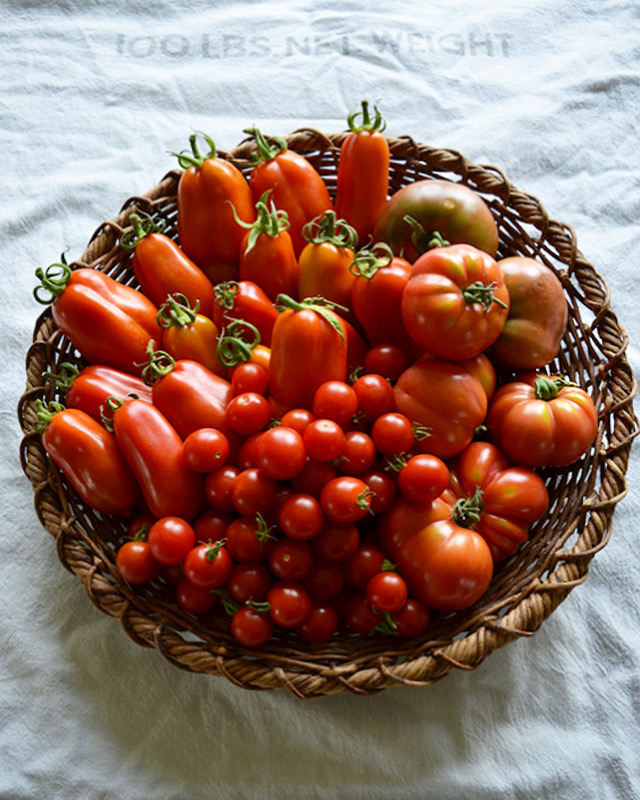
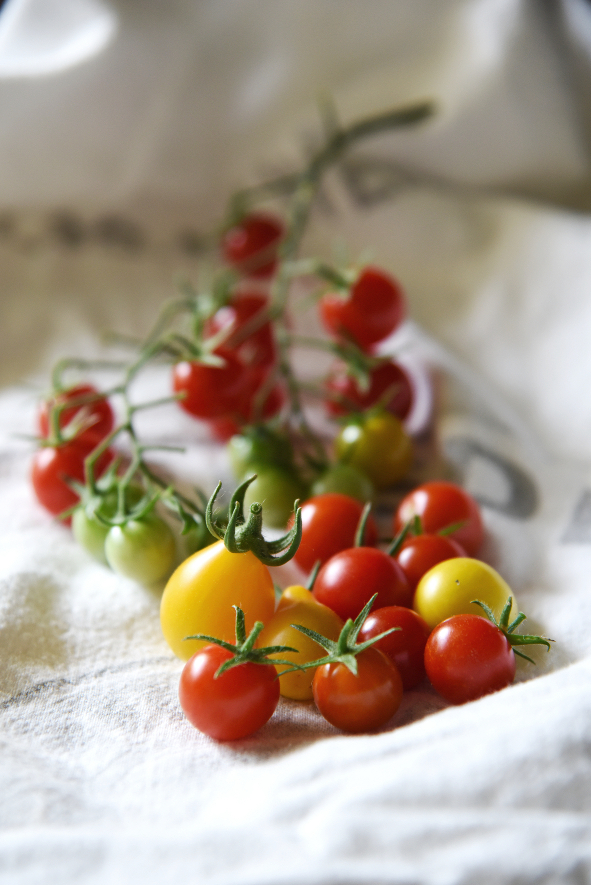
    As I was looking through photos of the tomatoes I had grown in the past, I found myself wondering:
    How far has this vibrant, juicy fruit traveled to arrive at my kitchen counter today?

    以前に育てたトマトの写真を眺めていたとき、ふとこんなことを思いました。

    この鮮やかで瑞々しい果実は、いったいどれほど遠くを旅して、私のキッチンにたどり着いたのだろう?

    From its wild origins in the Andes to its transformation into a French culinary staple—and beyond—the tomato has journeyed through time, continents, and culture.

    アンデスの山奥に自生していた野生の姿から、フランス料理に欠かせない食材へ——
    トマトは時代を越え、大陸を越え、文化を越えて旅をしてきました。

    In this post, I’ll trace a short history of the tomato, inspired by the beautiful book Let’s Eat France! by François-Régis Gaudry,with a few additions of my own to complete the story up to modern times.

    本記事では、François-Régis Gaudry 氏による美しい一冊『Let’s Eat France!』にインスピレーションを受けながら、トマトの物語をたどってみたいと思います。
    さらに、現代に至るまでの歴史については、私自身が調べた内容も加えてご紹介します。


    The tomato plant grew wild in the Peruvian Andes as early as the twelfth century. It was subsequently domesticated and cultivated in Mexico.

    1521: Hernán Cortés discovered the tomato in Mexico. It was introduced to Spain (1523) and then Italy (1544).

    1600: The French agronomist Olivier de Serres, who cultivated tomatoes on his property in Le Pradel in the Ardèche region, classified it as an ornamental plant. It was not until the mid-eighteenth century that tomatoes made their way into Provençal kitchens, under the influence of Italian cooking.

    17th–18th centuries: In various parts of Europe, tomatoes were believed to be poisonous, largely because they belong to the nightshade family. The misconception was reinforced when acidic tomatoes reacted with pewter dinnerware, leading to lead poisoning.

    1790: During the Festival of Federation, a national holiday, Provençal visitors arriving in the capital clamored for tomatoes in every inn they visited. Les Trois Frères Provençaux and Bœuf à la Mode, two restaurants near the Palais-Royal specializing in the cuisine of the Midi, popularized recipes featuring tomatoes.

    1876: In the United States, H.J. Heinz began commercial production of tomato ketchup, helping cement the tomato’s status as a staple in processed foods.

    Late 20th century: Scientific studies confirmed that tomatoes are rich in lycopene, a powerful antioxidant linked to reduced risk of cardiovascular diseases and cancer, further boosting the tomato’s nutritional value and popularity worldwide.

    トマトは12世紀ごろからペルーのアンデス山脈で自生しており、後にメキシコで栽培されるようになりました。

    1521年: エルナン・コルテスがメキシコでトマトを「発見」。それが1523年にスペインへ、1544年にイタリアへと伝わりました。

    1600年: フランスの農学者オリヴィエ・ド・セールがアルデシュ地方ル・プラドの自宅でトマトを観賞用として栽培しました。イタリア料理の影響により、18世紀中頃にようやくプロヴァンス地方の料理にも取り入れられるようになりました。

    17〜18世紀: ヨーロッパでは、トマトはナス科の植物であることから毒があると誤解されていました。また、酸性のトマトが錫製の皿と反応して鉛中毒を起こすこともあり、恐れられていたのです。

    1790年: 国民祭典の日、パリに訪れたプロヴァンス地方の人々が、どの宿でもトマト料理を求めて騒ぎになりました。パレ・ロワイヤル近くのレストラン「レ・トロワ・フレール・プロヴァンソー」や「ブフ・ア・ラ・モード」では南仏料理とともにトマトを使ったレシピが大人気となり、全国に広まりました。

    1876年: アメリカではH.J.ハインツ社がトマトケチャップの商業生産を開始。トマトは加工食品の代表食材としての地位を確立します。

    20世紀後半: トマトに含まれるリコピンが強力な抗酸化物質であり、心血管疾患やがんの予防効果があると科学的に証明され、世界中でその栄養価が再評価されました。

    Have you ever wondered just how many kinds of tomatoes there are in the world?

    Amazingly, the number is believed to exceed 10,000 varieties.

    ところで、トマトって世界にどれくらいの種類があると思いますか?

    実は1万種以上もあると言われています。

    So tell me—what’s your favorite kind of tomato?
    I’d love to hear which ones make it into your kitchen, and your heart.

    あなたのお気に入りのトマトはどんな種類ですか?
    ぜひ教えてください。

  • ファーマーズマーケットでとっても美味しいヴィーガンキムチに出会いました。
    あまりに気に入ってしまったので、材料を参考にして自分でも再現してみました。
    梅シロップのやさしい甘みと、辛すぎないちょうどいいバランスの味わいに仕上がって、なかなか満足のいくキムチができました!

    発酵の過程も楽しくて、食べるたびに少しずつ味が変わるのもまた魅力。
    よかったらぜひ、このレシピで作ってみてください。

    I found a delicious vegan kimchi at a local farmers’ market, and I just couldn’t stop thinking about it.
    So I decided to try recreating it at home using similar ingredients—and I think it turned out pretty great!

    The plum syrup adds a gentle sweetness, and the spice level is just right—not too hot, but still flavorful.
    Fermenting it myself was a fun experience too, and I love how the flavor keeps developing day by day.

    ヴィーガンキムチのレシピ(白菜1.5kg)

    材料

    【塩漬け用】

    白菜:1.5kg(大きめの株1個)

    塩:大さじ2〜3(塩揉み・漬け用)

    【ヤンニョム(調味ペースト)】

    白玉粉:大さじ2

    水:100ml

    にんにく:4〜6片(すりおろしまたはみじん切り)

    青ねぎ(小口切り):4〜5本

    韓国唐辛子粉(コチュガル):大さじ2.5

    梅シロップ:大さじ1

    きび砂糖:大さじ1

    粉末和風だし(オプション):小さじ1 

    作り方

    ① 白菜の塩漬け(3時間以上)

    1. 白菜は縦に4つ割りにしてから一口大にカット。
    2. 大きなボウルに白菜と塩(大さじ2〜3)をまぶし、3時間〜一晩置く(途中で上下を返すと均一に漬かります)。
    3. しんなりして水が出たら、よく水で洗って塩分を流し、水気をしっかり切る。

    ② 白玉粉の糊を作る

    1. 小鍋に水100mlと白玉粉大さじ2を入れてよく混ぜる(ダマをつぶす)。
    2. 弱火で加熱し、透明感が出てとろみがつくまでかき混ぜる(2〜3分程度)。
    3. 火を止めて冷ましておく。

    ③ ヤンニョムを作る

    1. 大きめのボウルに冷ました糊を入れる。
    2. そこににんにく、青ねぎ、唐辛子粉、梅シロップ、きび砂糖、粉末和風だしを加えてよく混ぜる。

    ④ 白菜とヤンニョムを和える

    1. 水気を切った白菜をヤンニョムに加え、手で丁寧に全体に絡める(使い捨て手袋推奨)。
    2. 全体が均一に赤く染まったらOK。

    ⑤ 発酵・保存

    1. 清潔な保存容器に詰める。中に空気が入らないように軽く押し込む。
    2. 常温で1日〜2日置いて発酵させたあと、冷蔵庫へ移す。
    3. 冷蔵庫で1週間ほど寝かせると味がまろやかに。

    メモ

    梅シロップ+砂糖の組み合わせで自然な甘さと酸味のバランスが出ます。

    唐辛子粉、大さじ2.5は中辛くらいの仕上がりです(辛いけど食べやすい)。

    発酵具合は季節・温度で変わるので、時々チェックしてみてください。

    —————————————————————————————-

    Vegan Kimchi with Plum Syrup (for 1.5kg Napa Cabbage)

    Ingredients

    【For salting the cabbage】

    Napa cabbage: 1.5 kg (about 1 large head)

    Salt: 2–3 tablespoons (for salting)

    【For the kimchi paste (yangnyeom)】

    Glutinous rice flour (shiratamako): 2 tablespoons

    Water: 100 ml

    Garlic: 4–6 cloves (minced or grated)

    Scallions: 4–5 stalks (thinly sliced)

    Korean red pepper powder (gochugaru): 2.5 tablespoons

    Plum syrup: 1 tablespoon

    Cane sugar : 1 tablespoon

    Japanese-style powdered dashi (optional): 1 teaspoon

    Adding dashi powder gives an extra layer of umami. Choose a plant-based version to keep it fully vegan. Use sparingly, as too much can overpower the flavor.

    Instructions

    ① Salt the cabbage

    1. Chop the napa cabbage into bite-size pieces.
    2. Toss with 2–3 tablespoons of salt in a large bowl and let sit for at least 3 hours (or overnight), flipping occasionally.
    3. Once softened, rinse thoroughly and drain well.

    ② Make the rice paste

    1. Mix 2 tablespoons of glutinous rice flour with 100 ml of water in a small pot before heating.
    2. Cook over low heat while stirring until it thickens and becomes translucent.
    3. Remove from heat and let it cool.

    ③ Make the kimchi paste (yangnyeom)

    1. In a large bowl, combine the cooled rice paste, garlic, scallions, gochugaru, plum syrup, sugar, and salt.
    2. (Optional) Add 1 teaspoon of powdered vegan dashi to enhance the umami.
    3. Mix thoroughly into a thick, red paste.

    ④ Mix with cabbage

    1. Add the drained cabbage to the paste.
    2. Wearing gloves, gently massage the paste into the cabbage until evenly coated.

    ⑤ Ferment and store

    1. Pack the kimchi tightly into a clean container, pressing down to remove air pockets.
    2. Leave at room temperature for 1–2 days to ferment slightly, then transfer to the fridge.
    3. Let it mature in the refrigerator for about a week for best flavor.

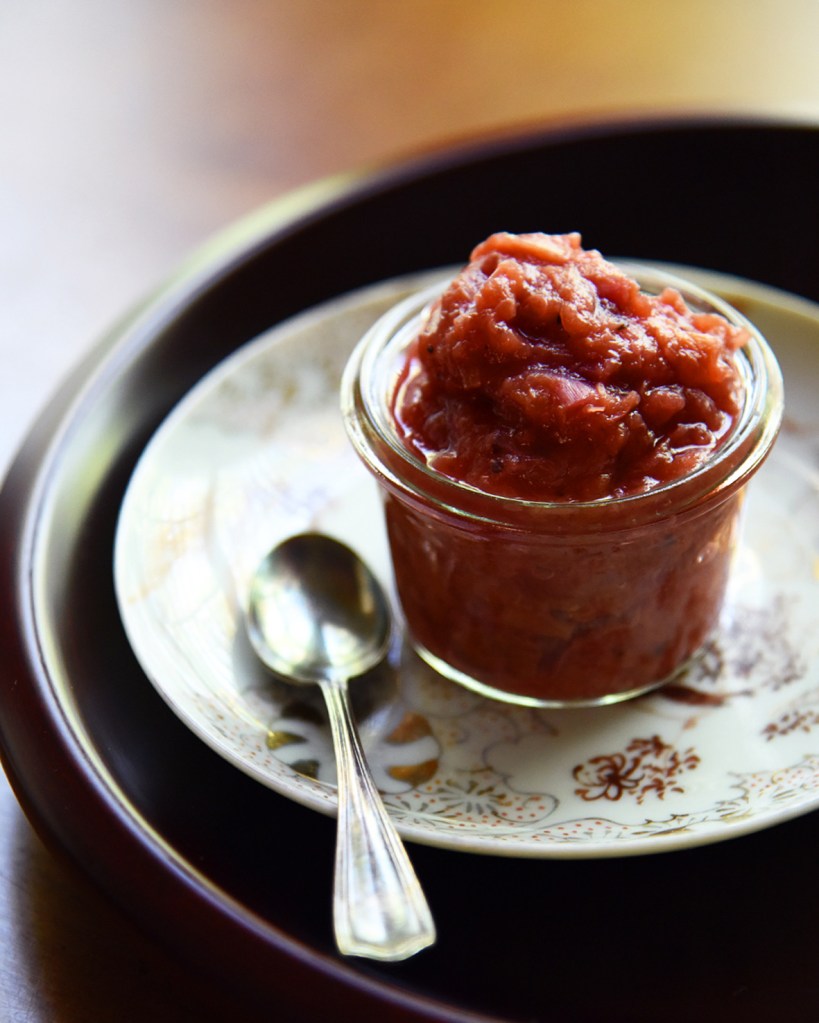
  • 春から初夏にかけて、ファーマーズマーケットで見かけるフレッシュなルバーブ。
    実はこのルバーブで、まるで梅干しのようなペーストが作れるんです。

    作り方はとてもシンプル。
    ルバーブを1cm幅にカットし、水に15分ほど浸けてアクを抜いたら、水気を切って鍋に入れます。そこにルバーブの重さの10%の塩を加えて、柔らかくなるまでコトコト煮るだけ。
    今回は180gのルバーブに対して、塩は18g使いました。

    そのまま味見するととてもしょっぱいですが、ごはんにのせたり、おにぎりの具にしたりするとちょうどよい味わいに。風味はまさに梅干しそのもの!言われなければルバーブだと気づかないかもしれません。

    アジア系スーパーなどで梅干しも手に入りますが、旬のルバーブが手に入る時期には、ぜひ一度試してみてはいかがでしょうか。新しい楽しみ方としておすすめです。

    Fresh rhubarb is a familiar sight at farmers’ markets in spring and early summer—and believe it or not, it can be turned into a tangy, salty paste that tastes just like umeboshi (Japanese pickled plums).

    The method is simple:
    Cut the rhubarb into 1 cm pieces and soak them in water for about 15 minutes to reduce bitterness. Drain well, then place them in a pot with salt equal to 10% of the rhubarb’s weight.
    In my case, I used 180g of rhubarb and added 18g of salt. Simmer gently until the rhubarb becomes soft and pulpy.

    The result is quite salty on its own, but once paired with rice—especially inside an onigiri—it tastes incredibly similar to umeboshi.

    Of course, you can find umeboshi at Asian or natural food stores, but while fresh rhubarb is in season, this is a fun and flavorful way to use it. Give it a try—you might discover a new favorite.

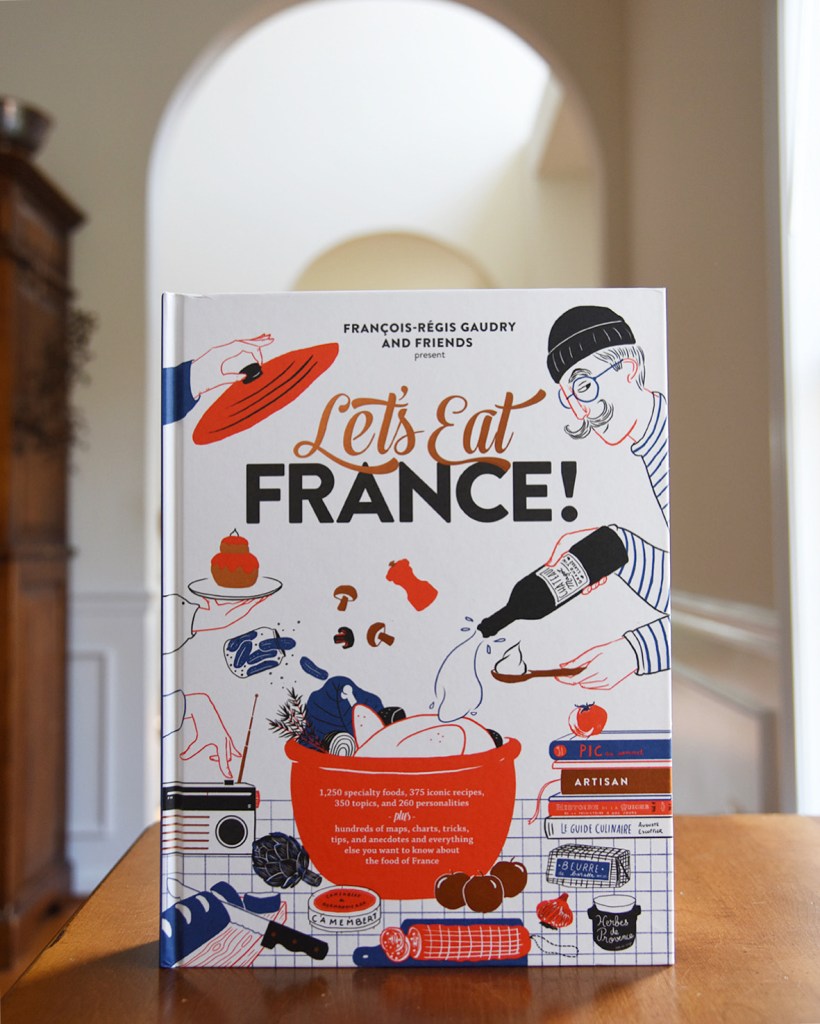
  • 今日は私のお気に入りの本の紹介です。

    Let me share one of my favorite books with you today.

    フランス料理って、なんだか敷居が高いイメージ、ありませんか?でも、この本『Let’s Eat France!』は、そのイメージを一気に吹き飛ばしてくれました。

    イラスト、地図、コラム、レシピ、食材の紹介などがぎっしり詰まっていて、まるで“読むフレンチビストロ”。歴史や文化の話から、フランス人にとっての「定番の味」まで、食にまつわる知識が楽しく学べる一冊です。

    ヴィーガンの本ではないですが、ヴィーガナイズしてみたいなってワクワクする本でもあります。例えばカスレやキッシュなど、植物性でどうアレンジできるか想像するだけで楽しい!

    本棚にあるだけで気分が上がる、そんなビジュアルの美しさも魅力。料理好きはもちろん、フランス文化が好きな方にもおすすめです。

    French cuisine often feels a bit formal or intimidating—but Let’s Eat France! completely changes that perception.

    This book is packed with vivid illustrations, maps, stories, quirky facts, and of course, recipes. It’s like reading a delicious encyclopedia-meets-bistro menu. You’ll learn about iconic dishes, regional ingredients, food history, and the people who shaped French gastronomy—all in a playful, engaging format.

    It’s not a vegan cookbook, but it’s the kind of book that makes me excited to try veganizing its recipes. Imagining plant-based versions of cassoulet or quiche is half the fun!

    It’s also just a gorgeous book to have around—one of those titles that sparks inspiration every time you open it. Whether you’re a foodie or a Francophile, this one’s a must-have.

    また改めて、レシピやお気に入りのページも紹介したいです。

    I’m hoping to share more details and favorite pages in a future post.

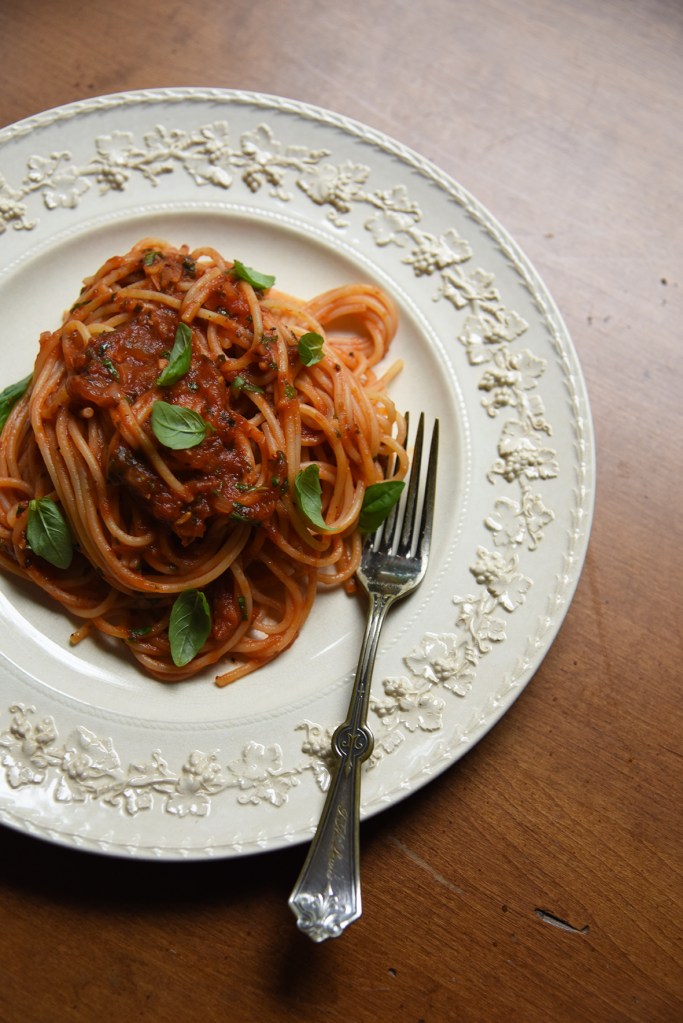
  • 今回のパスタのトマトソースは、いつもとはひと味違う仕上がりです。

    普段は、ほんの少しのお砂糖やメープルシロップでやさしい甘みを加えるのが私流。

    でも今回は、そのどちらも使わず、別のものを加えてみました。
    それが、この「ちょっと特別な」トマトソースの秘密です。

    This time, the tomato sauce for my pasta turned out a little different from the usual.

    Normally, I add a touch of sugar or maple syrup to bring out a gentle sweetness—that’s my go-to style.
    But today, I skipped both and used something else instead.
    That little change is what makes this tomato sauce just a bit more special than usual.

    きっかけは、Netflixで観た映画『Nonnas』でした。
    実話をもとにした心温まるストーリーの中で、おばあちゃんがトマトソースに“隠し味”としてリンゴを加えていたんです。

    そのシーンがずっと心に残っていて、「私も試してみたい」と思わずにはいられませんでした。

    The inspiration came from a Netflix film I watched—Nonnas.
    In this heartwarming, true-story-based film, one of the grandmothers added a secret ingredient to her tomato sauce: apples.

    That scene stayed with me, and I couldn’t help but want to try it for myself.

    とはいえ、映画の中では具体的な作り方のシーンはなく。そこで少し調べてみたところ、いくつかのレシピに辿り着きました。どうやら、カットしたリンゴをお鍋で水と一緒にコトコト煮て、柔らかくなって香りが立ってきたら、こし器でこす(またはさらしで包んでぎゅっと絞る)ことで、リンゴの風味だけを引き出したエキスをソースに加えるようです。

    実際にやってみたら、ほんのり甘くてトマトの酸味が和らぎ優しい味のソースになりました。

    That said, the movie didn’t show any specific instructions or recipe.
    Curious, I did a bit of research and came across a few different methods.

    It turns out that the apples are typically chopped and simmered gently in water until they soften and release their aroma. Then, they’re either strained through a fine sieve or wrapped in cheesecloth and squeezed—extracting only the essence of the apples to be added to the tomato sauce.

    映画『Nonnas』にも登場するレストラン「Enoteca Maria(エノテカ・マリア)」は、ニューヨークのスタテンアイランドに実在します。
    このお店のキッチンを預かるのは、プロのシェフではなく、アメリカに暮らす多様なルーツを持つ“ノンナ(おばあちゃん)”たち。
    イタリア、メキシコ、ウズベキスタン、日本など、それぞれの家庭に伝わる味を再現しながら、日替わりで母国の料理をふるまっています。

    まるで、アメリカという大きな家に集まった世界中のおばあちゃんたちのキッチンをのぞくような、温かい食体験が楽しめる場所です。

    いつか、このレストランを訪れてみたい。
    おばあちゃんたちの物語が香る一皿を、じかに味わってみたいのです。

    Enoteca Maria, the real-life restaurant featured in the Netflix film Nonnas, is located in Staten Island, New York.
    But instead of professional chefs, the kitchen is run by grandmothers—affectionately called “nonnas”—who now call America home but come from diverse cultural backgrounds.

    These women, with roots in places like Italy, Mexico, Uzbekistan, Japan, and beyond, take turns preparing cherished family dishes from their heritage.
    Each visit to the restaurant offers a heartfelt culinary journey—like stepping into the kitchens of grandmothers from around the world, all under one roof in the U.S.

    Someday, I’d love to visit this restaurant—
    to taste a dish that carries the stories of grandmothers from around the world.